
Centering Community in Evidence
The National Race Equity Implementation Center (NREIC) is a non-profit intermediary housed at and staffed by the Children and Youth Cabinet of Rhode Island (CYCRI).
NREIC knows that priorities and strategies to prevent, treat, and heal must be set by communities, not individuals in faraway places who believe they know what’s best for people they don’t know, or have never met.
Mission
The National Race Equity Implementation Center partners with communities and public systems to advance solutions rooted in culture, race, identity, and history. Guided by community wisdom, we align implementation and financing strategies so that investments flow to what communities value most.
Vision
We envision a future where community wisdom designs public systems and investments, ensuring solutions that are rooted in culture, race, identity, and history strengthen families and communities.
Our Work
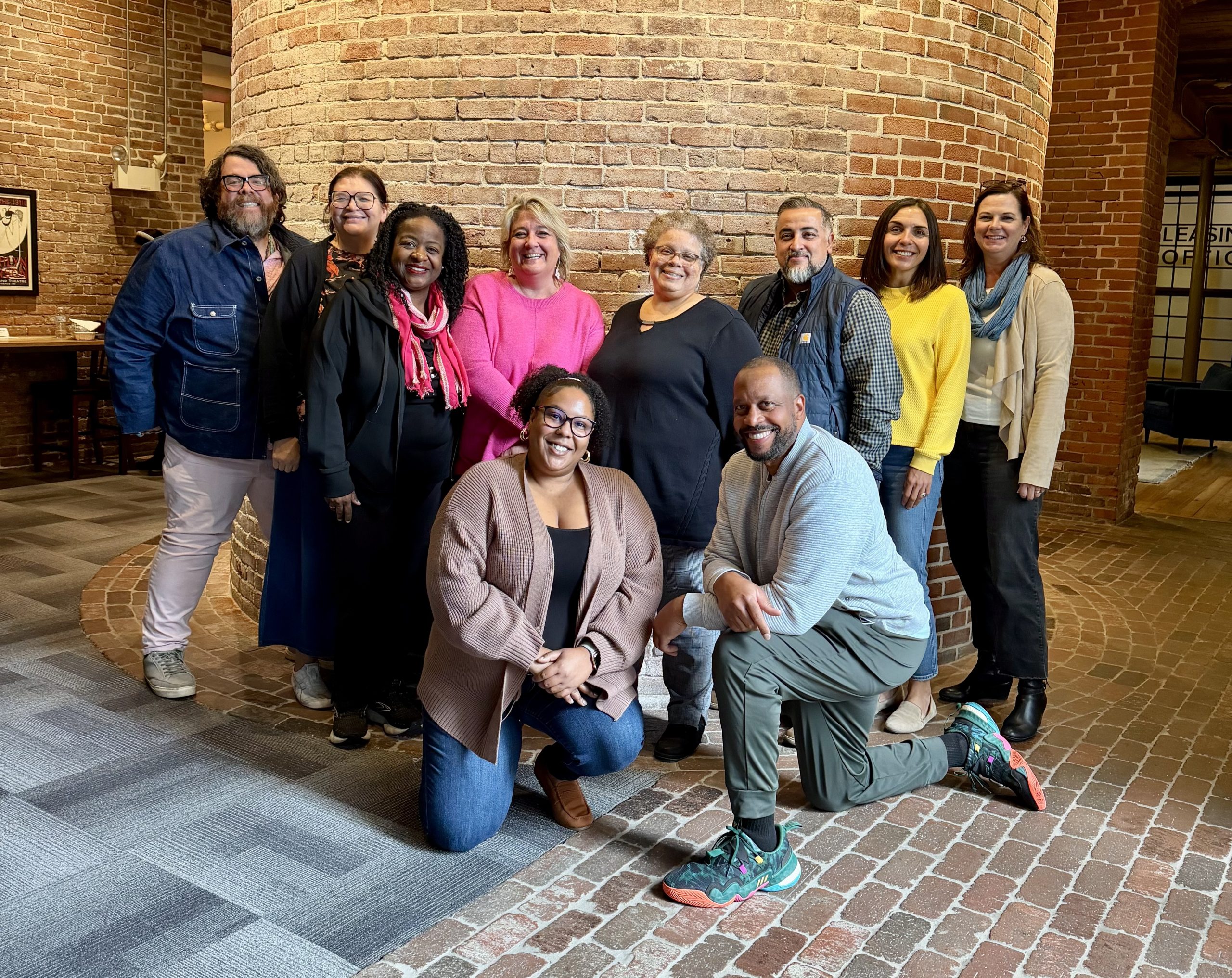
NREIC is home to 9 profound members who hold both lived experience and technical expertise and who are deeply connected to supporting and heralding the intersections within race, culture, treatment, and outcomes. While members’ home communities stretch from Hawaii to England, the core principles anchoring their individual practices are universal: culture, race, identity, evidence, and experiences must be central when addressing some of the most complex and pressing needs facing children, youth, families, and communities.
Why NREIC?
NREIC is a community facing intermediary with explicit functions, roles, and strategies that generate revenue to reinvest in communities, projects, and research.
NREIC knows that academically driven research, definitions of evidence, and implementation support efforts are facing a legacy of mixed results.
Effective replication, scale, and sustainability of practices is rarely attainable using main stream modes and models.
Prevention, treatment, and healing require the integration of cultural and historical context.
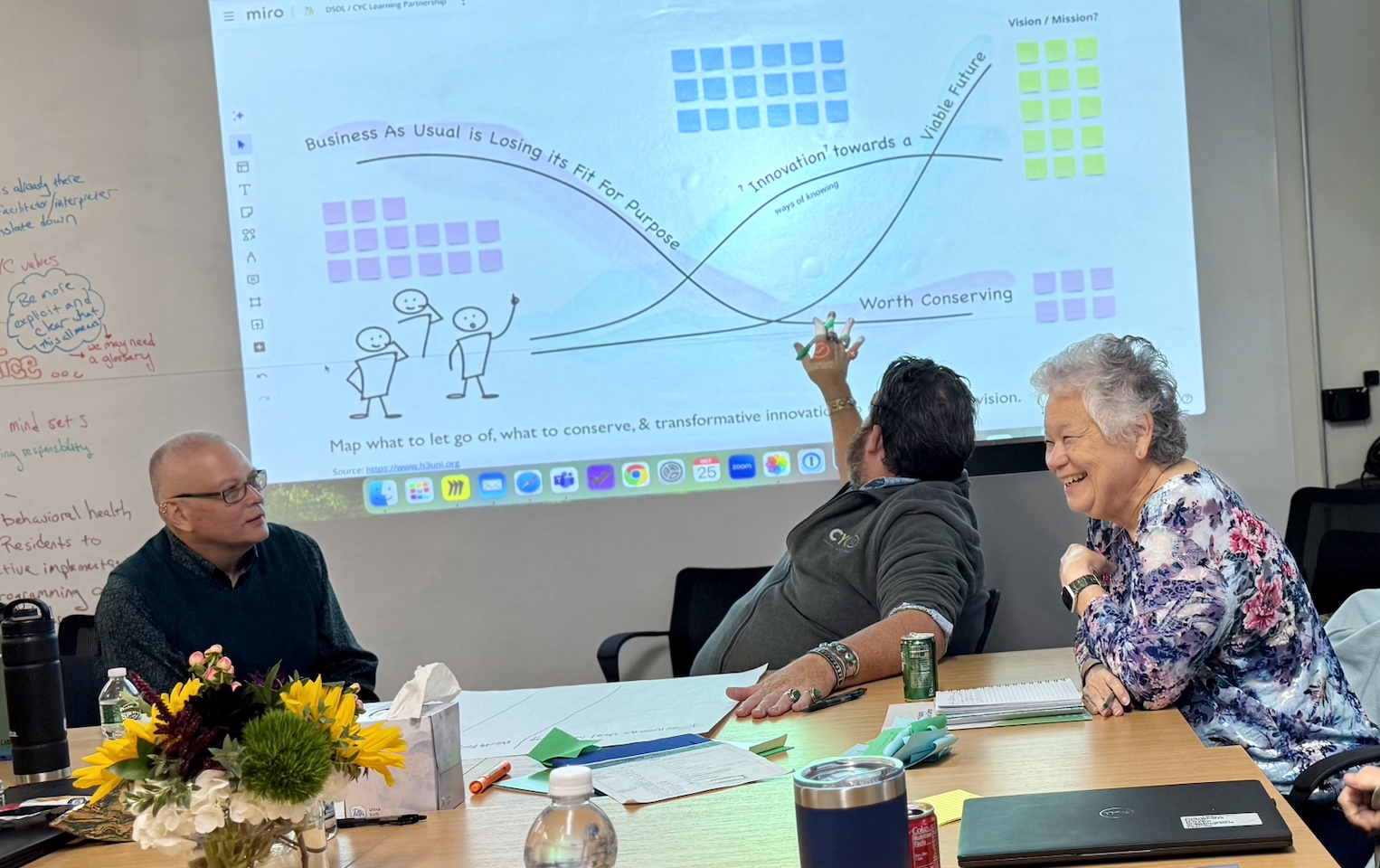
Implementation science bridges the gap between research and real-world practice, ensuring that top-down evidence-based, as well as community-based solutions, make an impact where they’re needed most.